


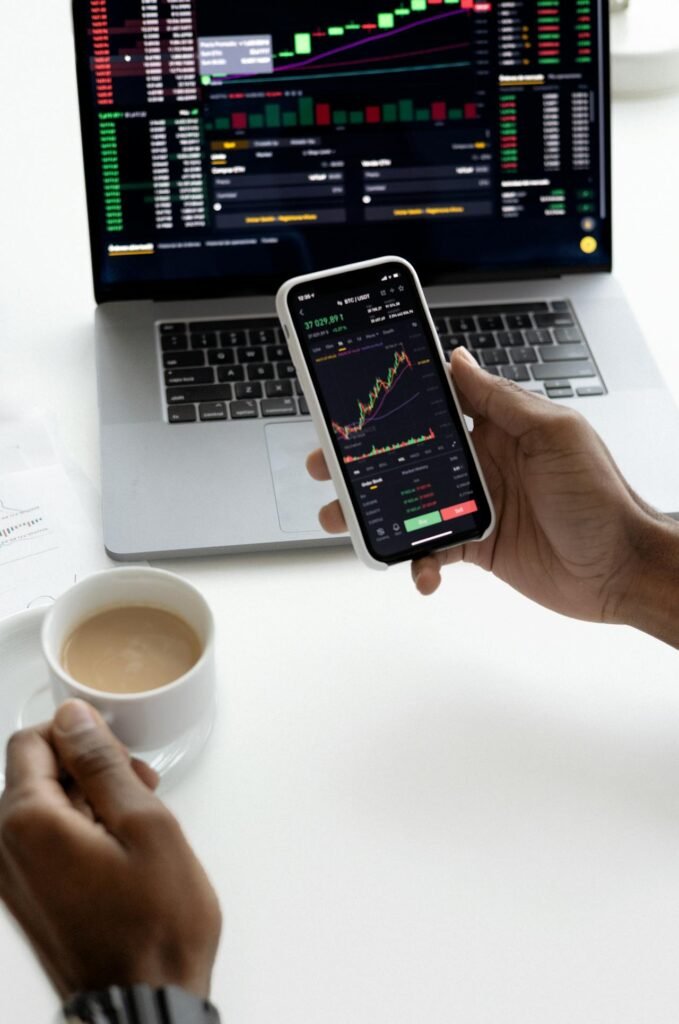
Mobile tech is usually considered as a wireless system that includes portable consumer products capable of connecting to the internet via the use of cellular networks, wi-fi, and Bluetooth. There has been tremendous growth in many of these products such as smartphones, tablets, and wearables.
Changes in Mobile Technology
Initially mobile phones were primarily designed for phone calls and text messages. Today, mobile phones are very sophisticated pieces of technology, providing users with many features including but not limited to
Internet connection
The availability of very high-quality cameras
The ability for users to install mobile applications
GPS navigation systems within GPS devices.
The introduction of each new generation of mobile tech is generally accompanied by improvements in speed, functionality, and overall performance of the product.
Mobile Technology Is Important
Mobile technology is a big part of everyday life, and it is being used in numerous ways:
Communication – Instant messaging, video chat, and social networking.
Education – Online courses, e-learning applications, and e-books.
Business – Online/mobile banking, shopping online, working remotely.
Health Care – Mobile applications to monitor health and telehealth services.
Mobile technology makes life easier by saving time.
Mobile Technology Is Changing Businesses
With the help of mobile technology, businesses are able to communicate with customers through applications, mobile websites, and social media. Additionally, mobile technology has allowed businesses to provide better customer service, generate more revenue, and operate their businesses more efficiently.
Benefits of Using Mobile Technology
As noted earlier, mobile technology provides many benefits:
Quick access to information
More efficient communication
Convenience because of portability
Increased creativity/innovation and ability to work remotely.
Difficulties Associated with Mobile Technology
Although mobile technology has provided many advantages, it also has some difficulties:
Increased data security and privacy risks
Screen addiction
Increased risk of cyberattacks
Increased reliance on devices
To mitigate these risks, a responsible approach to mobile technology is required.
The Future of Mobile Technology
The future of mobile technology will include continued improvements such as 5G, artificial intelligence, and smart devices that will continue to revolutionize the mobile experience and provide faster and smarter capabilities.
To Summarize
Food technology has transformed the way people live and work. Mobile technology will have an increasing influence on the world and will continue to grow with improved technology and mobile devices. By learning to harness the power of mobile technology, individuals can greatly benefit themselves and society.
Mobile Technology has created a new way of living and working.
The development of mobile technology over the past several years has changed how we interact and use technology in our daily lives, creating a greater need for people to communicate and use technology at all times. The use of mobile phones, tablets and smart watches has become an integral part of the way.
Mobile technology was first created as a portable device that could be connected to the web. A mobile phone was simply a portable phone. A mobile device also includes tablet computers and smart watches. The mobile technology we use today allows us, while away from home, to be able to stay connected to the internet, call and text people and use mobile applications (apps).
Mobile technology is growing at an unprecedented rate.
The original mobile phones could only make phone calls and send text messages. The new smartphones are equipped with advanced features like digital cameras capable of taking high quality pictures and video, GPS navigation systems that allow you to find your way around and online banking applications. With the advent of technology such as 4G and 5G technology, we have seen a significant increase in the speed of using the internet. The increased speed of mobile technology combined to provide greater connectivity between users.
The many ways we use mobile technology in our everyday lives include:
Communication –
Mobile phones allow us to contact, message, or video call others instantly.
Education – Online learning allows students to use their mobile devices to learn. Mobile learning applications and electronic books provide access to learning materials.
Business – Mobile devices allow you to manage email, make payments, and manage your online marketing efforts.
Health Care – Many mobile health care applications assist with monitoring your fitness progress, and provide access to health care professionals through online consultations.
Mobile Technology Challenges
Mobile technology has a number of benefits;
however, it also has several challenges associated with it, including:
* Risks to security and privacy
* Addiction and overuse
* Digital differences between users
* Health concerns including eye strain and poor posture
Responsible use of mobile devices can mitigate some of these issues.
Mobile Technology’s Future
Mobile technology will continue to evolve, presenting a bright future for additional innovation through technology, including artificial intelligence, augmented reality, and smarter mobile applications, all of which will enhance the user’s experience on mobile devices. Future mobile devices will be faster, smarter, and more secure than today’s mobile devices.
Mobile Technology’s Conclusion
Mobile technology has changed how we communicate, how we learn, and how we do business. Mobile technology makes life easier and allows us to connect with each other. As mobile technology continues to be used responsibly, new innovations will continue to improve upon it in the future.